
This talk is offered through Lessonface. Please click here to register on their website.
Wool, cotton and silk have each played a crucial role in the fortunes of Central Asia. Wool created the clothing and housing needed by the great nomadic cultures that were to dominate Middle Asia. Silk was more valuable than gold and used as currency, creating a network of trading routes that led to the first outbreak of globalisation. Cotton was the cause of Russian and then Soviet Colonisation and continues to cause controversy today as well as human misery and environmental catastrophe. The felts, carpets, embroideries, robes and veils of the Silk Road stratified wealth, displayed religious and political entrenchments and changed the fortunes of this fascinating part of the world; a meeting place between Mohammed and Marx.
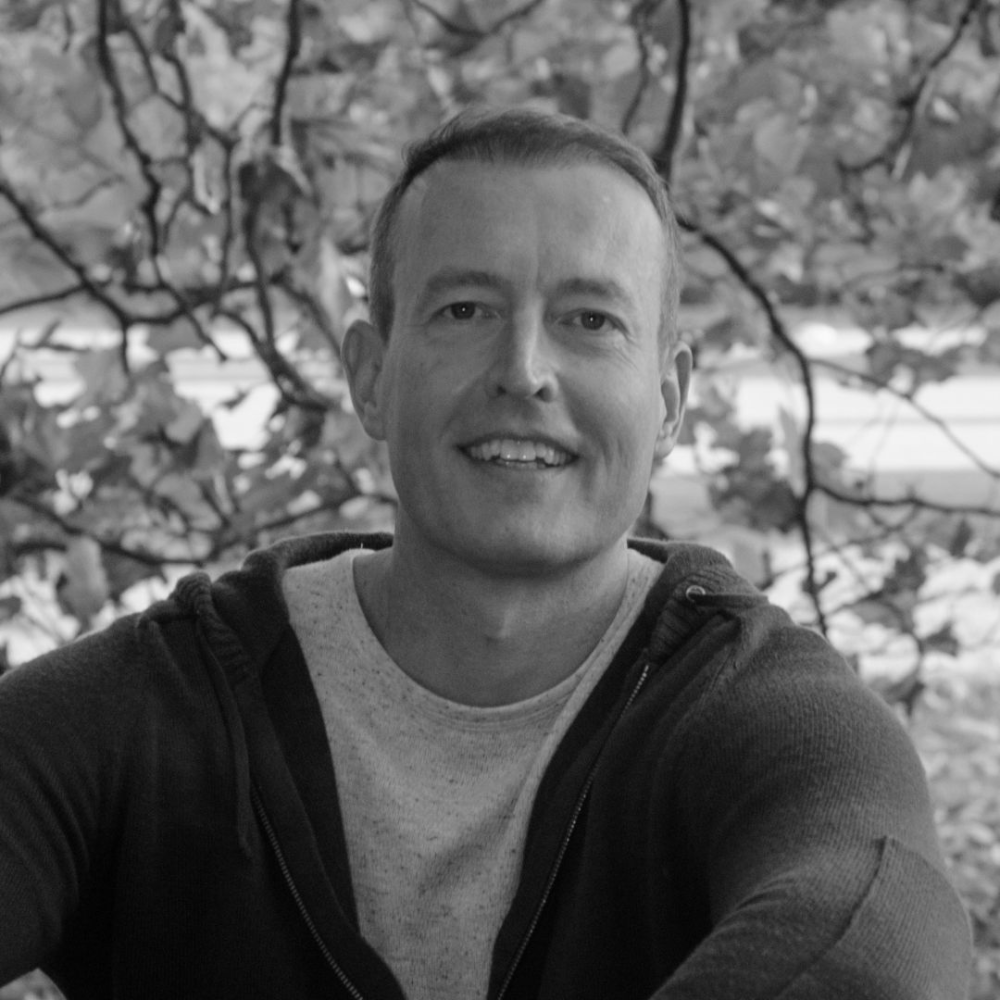
Chris Aslan was born in Turkey and was raised there and in war-torn Beirut. After school, he spent two years at sea, and then lived in Central Asia for 15 years. First, was Khiva, a desert oasis in Uzbekistan, where Chris established a UNESCO workshop reviving fifteenth century carpet designs and embroideries, and becoming the largest non-government employer in town. He was deported as part of an anti-Western purge, and took a year in Cambridge to write A Carpet Ride to Khiva. Chris then spent several years in the Pamirs mountains of Tajikistan, training yak herders to comb their yaks for their cashmere-like down. Next came a couple more years in Kyrgyzstan living in the world’s largest natural walnut wood and establishing a wood-carving workshop. Since then, Chris has studied and rowed at Oxford and now divides his time between lecturing for the Arts Society, writing fiction and non-fiction in his mountainous home overlooking the sea in North Cyprus (where he is overrun by cats) and returning to Central Asia to lead tours whenever he can, having left a large chunk of his heart there. His latest book is Unravelling the Silk Road.
$0 -$5
Class Schedule: The lecture will be online and in-person at SEFAA on Saturday, January 17, 2025 10 am - 12 pm